Heart Health Starts Early
Heart Health Starts in the Pediatric Years As parents, we think constantly about our children’s futures, their happiness, confidence, and safety. But one of the most meaningful gifts we can offer them begins with something small, steady, and powerful: a healthy heart. With Valentine’s Day just behind us and February marking American Heart Health Month, […]
Heart Health Starts in the Pediatric Years
As parents, we think constantly about our children’s futures, their happiness, confidence, and safety. But one of the most meaningful gifts we can offer them begins with something small, steady, and powerful: a healthy heart. With Valentine’s Day just behind us and February marking American Heart Health Month, First Call Pediatrics would be remiss not to share helpful guidance on heart health in children.
Childhood is the ideal time to build habits that protect this vital organ for decades. From the meals we prepare at home to the opportunities we create for active play, the choices we make today influence our kids’ long‑term well‑being in ways that truly matter. And while forming healthy routines can sometimes feel overwhelming, the truth is that even small daily practices like choosing water over sugary drinks, taking the stairs together, or adding a veggie to a favorite meal, can create meaningful, lasting change. In this post, we’ll explore practical, family‑friendly steps to nurture heart health right from the start.
Whether you’re navigating picky eating, juggling busy schedules, or answering curious little minds, you’ll find suggestions here that fit naturally into real life. Raising heart‑healthy kids isn’t about perfection; it’s about small, loving habits practiced consistently over time, building a strong foundation for a brighter, healthier future.
Understanding the Heart
A child’s heart is about the size of their fist, growing as they grow and reaching its mature size after puberty. It consists of four chambers that keep blood circulating, along with four valves that act like tiny doors, opening and closing to allow blood to flow in the correct direction. The heart receives blood from veins and sends oxygen‑rich blood out through arteries, keeping every cell nourished. A child’s heart rate is naturally higher than an adult’s and gradually decreases with age (Heart Rhythm Society, 2022).
Regular pediatric checkups are essential for monitoring heart health. These visits include listening to your child’s heart, checking vital signs, reviewing growth patterns, and assessing factors like blood pressure, cholesterol, and BMI. Family history, such as heart issues, diabetes, or asthma, can also shape a child’s risk profile. When pediatricians track these details over time, early signs of potential issues can be recognized before they become problems. Think of these visits as your yearly “baseline,” a chance to ask questions, celebrate progress, and fine‑tune routines.
The three core pillars of heart health, nutrition, movement, and sleep, work together, each reinforcing the others. By focusing on these fundamentals, families can support heart health in simple, manageable ways.
Nutrition
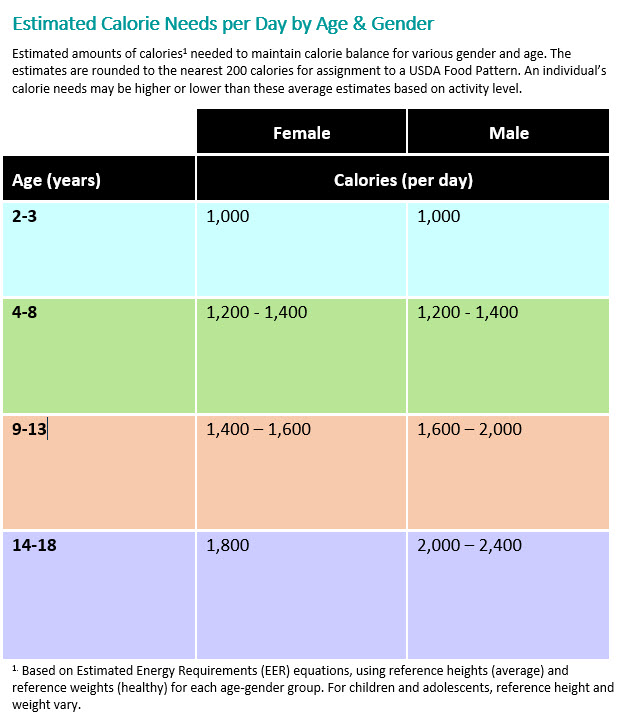
“Monkey-see, monkey-do.” Children learn by watching the adults in their lives, especially at mealtimes. They notice not only what we eat but how we talk about food, how rushed or relaxed meals feel, and whether we approach eating with stress or enjoyment. Modeling a calm, balanced approach is one of the most powerful tools parents have. See the chart below for a caloric guide
Research consistently highlights the benefits of eating together as a family. Even if coordinating a full family meal every night is difficult, the goal is connection. Simply sitting with your child while they eat helps them view mealtimes as positive, shared moments. These interactions build communication, trust, and a healthier relationship with food. At First Call Pediatrics, we encourage families to aim for 3–4 shared meals per week, which supports both physical and emotional well‑being (Brown, Kay, & Thompson, 2025). Involving children in meal prep, like washing vegetables, stirring a pot, choosing seasonings, builds confidence and makes them more willing to try nutritious foods.
When it comes to what children should eat, moderation is the guiding principle. Home‑cooked meals help reduce excess sugars and sodium, but busy days happen. Takeout or packaged meals are sometimes necessary, and that’s completely okay. The key is awareness: check ingredient labels, choose balanced options, and remember that one meal doesn’t determine overall health. Notably, obesity in childhood and adolescence is a strong predictor of hypertension in young adulthood, which is why these everyday nutrition habits matter (Fobian, Elliott, & Louie, 2021). First Call Pediatrics includes educational material on nutrition and provides a consultation with a nutritionist in their concierge pediatric memberships to ensure children (and parents) understand nutrition and the benefits to doing so as a family.
Simple, realistic ideas that help:
-
- Keep a fruit or veggie “first bite” rule for snacks—one apple slice or a few baby carrots before chips or crackers.
- Build balanced plates most of the time: a colorful produce choice, a lean protein, and a whole‑grain option.
- Swap sugary drinks for water or sparkling water with a splash of 100% juice.
- When choosing convenience foods, scan labels for sodium and added sugars, and pair them with fresh sides.
Movement
Keeping kids active is essential for heart health and overall development. You’ve likely heard the phrase, “A tired child is a happy child,” and there’s truth in it. Physically active children tend to regulate their emotions better, sleep more soundly, and stay more engaged throughout the day. Jacksonville provides many outside playgrounds and beautiful parks for older children, toddlers, and adults with newborns to get out and be active in. Group settings like this are great for movement and can great postnatal care for new moms, benefitting children and adults alike.
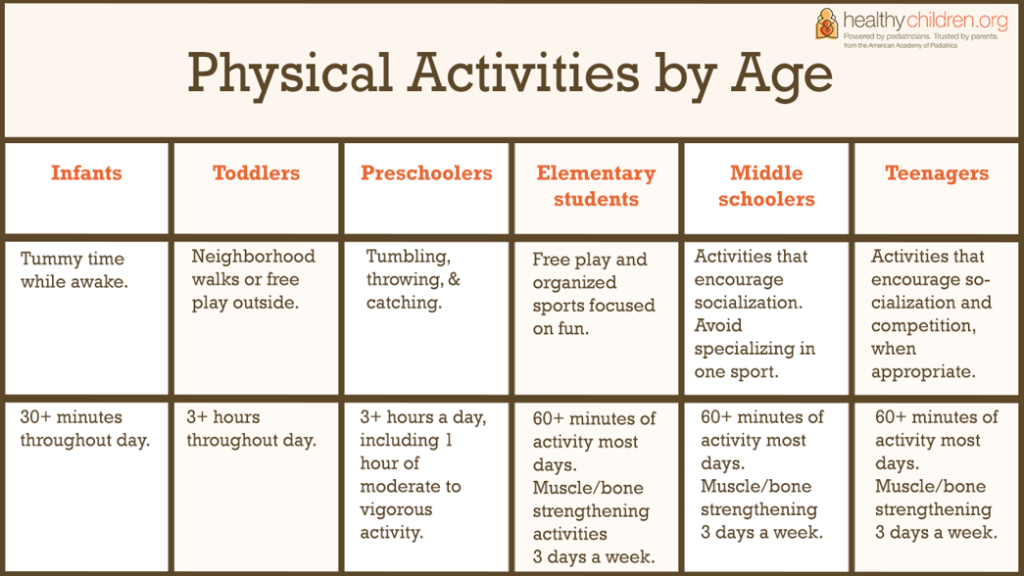
One modern challenge that fights against kids moving is screen time. With technology woven into schoolwork and entertainment, setting boundaries can be tough. But when screens are limited, children naturally look for other ways to spend their time, often in more creative or active pursuits. Movement doesn’t have to be structured or athletic; it can be simple and fun: dancing around the living room, playing tag outside, going for walks, or riding bikes all count.
Sports offer an excellent outlet and teach teamwork, discipline, and resilience. Encouraging participation in more than one sport throughout the year prevents burnout and overuse injuries while letting kids explore different interests and skills. According to the American Academy of Pediatrics, physical activity in childhood helps prevent obesity, heart disease, and diabetes; improves focus in school; reduces risk‑taking behaviors in teens; improves sleep; burns calories; strengthens the cardiovascular system; builds strong bones and muscles; increases flexibility; reduces stress; teaches teamwork and sportsmanship; boosts self‑esteem; and enhances overall well‑being (American Academy of Pediatrics, 2020).
To make movement stick, think small and consistent:
-
- Ten‑minute “movement snacks” between homework tasks—jumping jacks, hallway relays, or a quick dance to a favorite song.
- Family walks after dinner (strollers, scooters, and dogs welcome).
- Weekend “try something new” adventures—parks, trails, or free community classes.
- Chore bursts that get the heart rate up—rake races or laundry basket carries.
Sleep
Sleep plays a crucial role in children’s physical and emotional development. It supports growth, learning, emotional regulation, and overall health. Poor or inconsistent sleep can contribute to obesity, behavior issues, decreased attention, and difficulty in school. Irregular sleep over time is linked to insulin resistance and inflammatory problems that can carry into adulthood (Fobian, Elliott, & Louie, 2021).
No matter the age, a consistent bedtime routine is essential. Newborn care at home can be challenging, but after those first few months, creating the routine is key. Families can create a calming environment by dimming the lights, turning off screens, and winding down with reading, gentle conversation, or quiet play. Many families enjoy sharing “highs, lows, and buffalo,” talking about the best part of the day, the hardest moment, and a silly memory which helps children process emotions before bed.
How much sleep is optimal? The American Academy of Sleep Medicine recommends:
-
- Ages 4–12 months: 12–16 hours (including naps)
- Ages 1–2 years: 11–14 hours (including naps)
- Ages 3–5 years: 10–13 hours (including naps)
- Ages 6–12 years: 9–12 hours
- Ages 13–18 years: 8–10 hours (American Academy of Sleep Medicine, 2016)
Practical sleep tips that make a difference:
-
- Power down devices 60 minutes before bedtime.
- Keep bedrooms cool, dark, and quiet; try a white‑noise machine or fan if needed.
- Anchor wake‑up and bedtime—even on weekends—so the body’s internal clock stays steady.
- If bedtime has drifted later, shift it back in 10–15 minute steps over several nights.
A Heart‑Healthy Future
Supporting heart health may seem like a big task, but it doesn’t have to be complicated. Small steps create powerful, lasting habits that help children thrive. Remember: shared meals, active play, and consistent bedtime routines. Take a look at the diagrams included for more in depth caloric needs and movement ideas. These efforts don’t just strengthen the heart; they build confidence, resilience, and connection within the family.
Know that you are not alone! First Call Pediatrics in Jacksonville, FL built their concierge care model around being available anytime, anywhere to help with questions or concerns. Whether your child seems unusually winded during play, or you simply want guidance on building healthier routines, our providers are ready to support your family every step of the way, through a virtual pediatric visit or at-home pediatric visit. First Call Pediatrics Expecting Parents Membership offers expecting parents’ support through nutrition, including yoga and Pilates classes and access to sleep training consults, helping you pave the path to a healthy heart while your little one is still in your belly. Our Newborn Pediatric Membership is specialized towards providing the best newborn care at home, enabling parents to have a little more free time to focus on their own health.
References
American Academy of Sleep Medicine. (2016). Child sleep duration health advisory. AASM.https://aasm.org/advocacy/position-statements/child-sleep-duration-health-advisory/.
Brown CL, Kay MC, Thompson LA. (2025) Eating Family Meals Together at Home. JAMA Pediatr. 2024;178(5):510. doi:10.1001/jamapediatrics.2023.6669 or here.
Childhood nutrition. HealthyChildren.org. (2020). https://www.healthychildren.org/English/healthy-living/nutrition/Pages/Childhood-Nutrition.aspx or here.
Fobian AD, Elliott L, Louie T. (2021) A Systematic Review of Sleep, Hypertension, and Cardiovascular Risk in Children and Adolescents. Curr Hypertens Rep. 2018 May 1;20(5):42. doi: 10.1007/s11906-018-0841-7. PMID: 29717377; PMCID: PMC8513135 or here.
Heart Rythm Society. UpBeat.org. (2022). A child’s normal heart. https://upbeat.org/pediatrics/a-childs-normal-heart
Making physical activity a way of life: Aap policy explained. HealthyChildren.org. (2020). https://www.healthychildren.org/English/healthy-living/fitness/Pages/Making-Fitness-a-Way-of-Life.aspx or here.