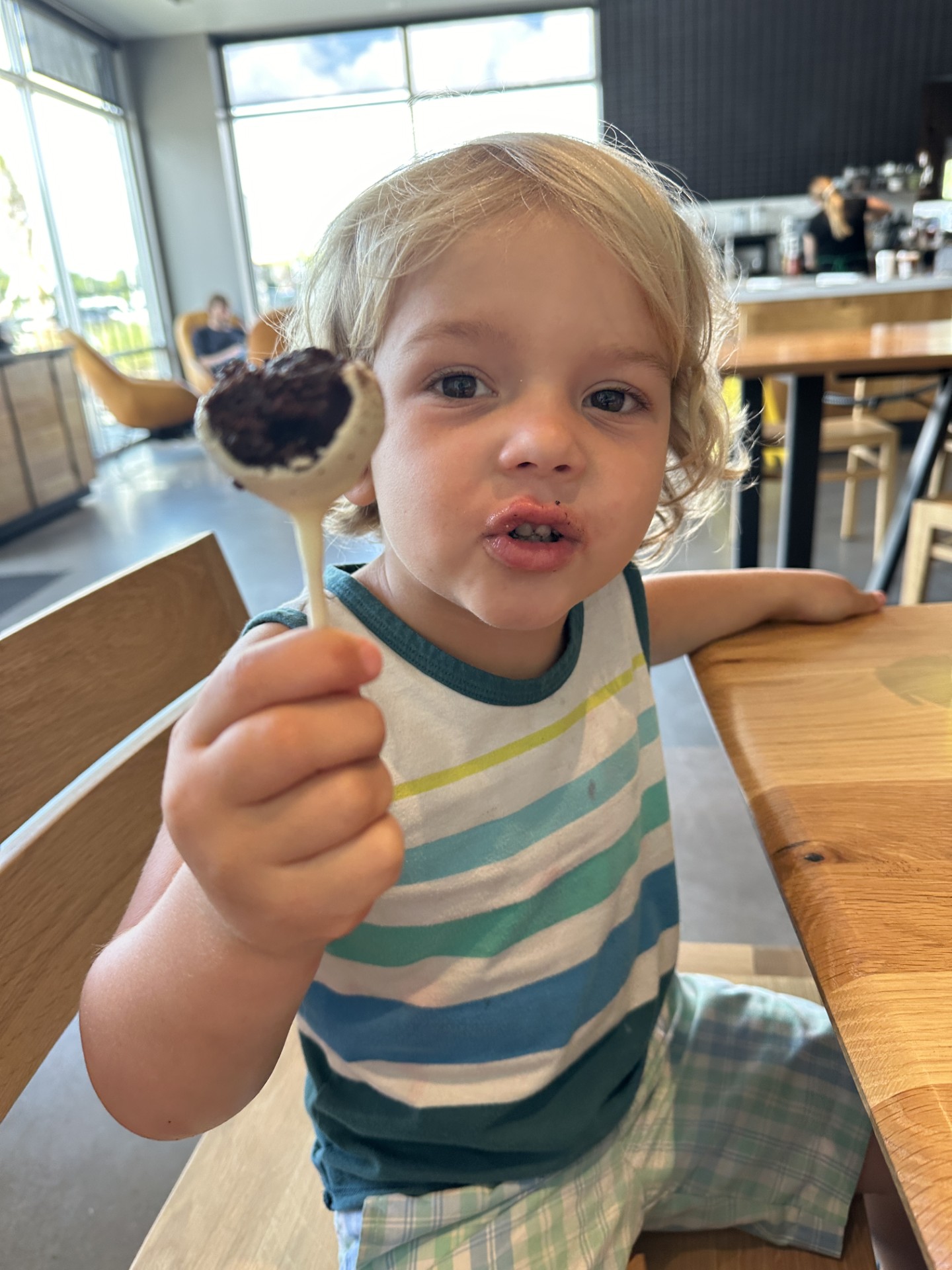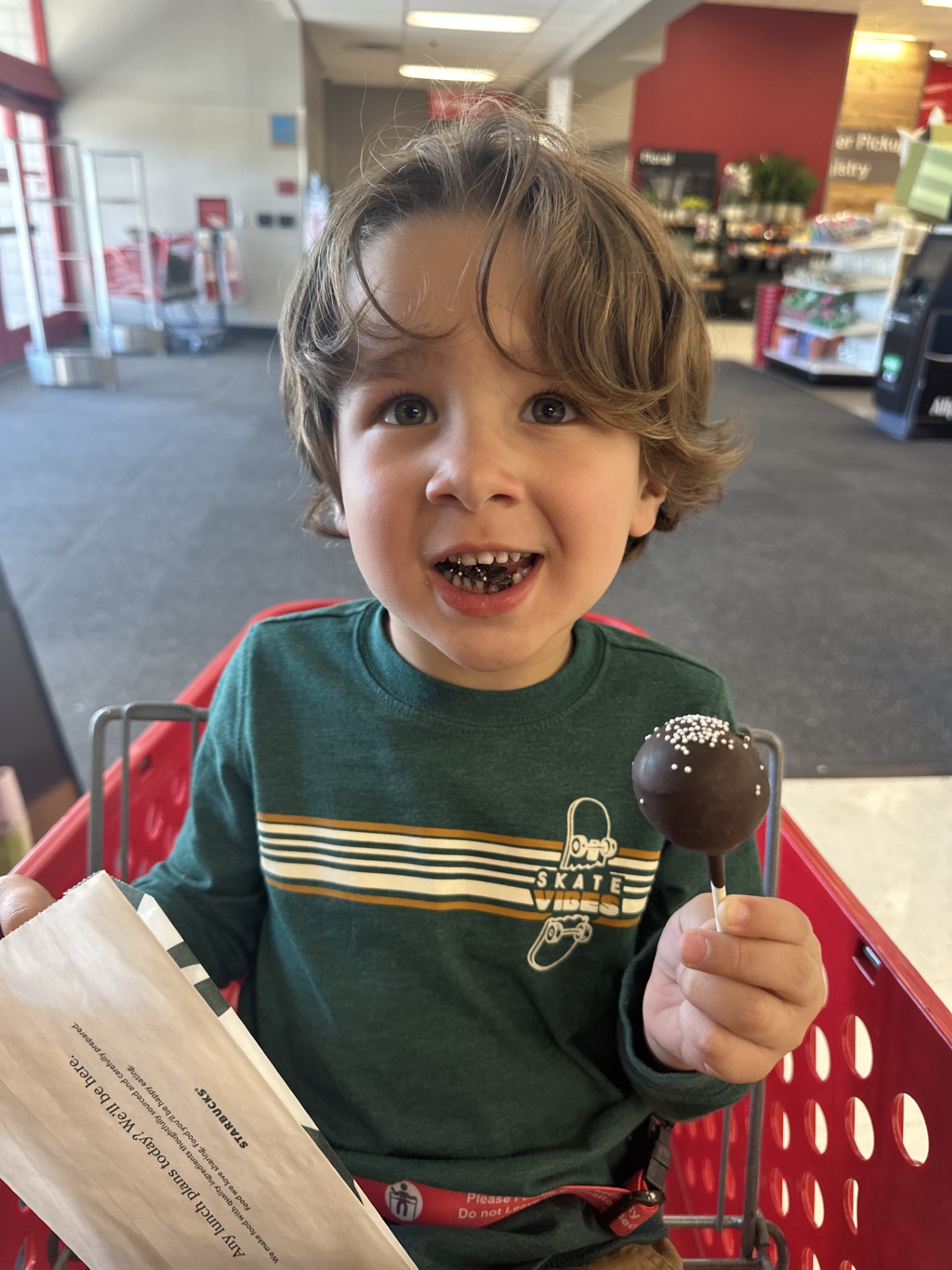
Valentine’s Day looks a little different when you become a parent or caregiver. What once meant dinner reservations and chocolate boxes now includes classroom parties, candy-filled bags, and tiny hands reaching for just one more sweet treat.
As both a mom and a pediatric provider, I know how easy it is to feel torn this time of year. We want our children to experience the joy and magic of holidays, but we also care about their health, including those tiny teeth. At First Call Pediatrics Concierge Care in Jacksonville, we believe health guidance should feel realistic, supportive, and rooted in real life. With Valentine’s Day, the holiday of love and sweet treats, quickly approaching, let’s talk about candy in a way that makes sense for families: focusing on balance, timing, and simple habits that protect your child’s smile without guilt or perfection. I want to start off by prefacing that candy itself is not the problem. One holiday, one classroom party, or one bag full of Valentine’s treats does not automatically lead to cavities. Like most things, dental health is shaped by patterns over time, not single events. As parents, our goal is not to eliminate sugar entirely, it is to teach our children how to enjoy treats mindfully and take care of their bodies afterward. This is a philosophy we carry into every relationship at First Call: education over fear, balance over restriction, and partnership over pressure.
Portion Sizes: Small Choices, Big Impact
One of the simplest ways to protect those tiny teeth is by being mindful of portion sizes. When children eat smaller amounts of candy at one time, there is less sugar lingering on the teeth and fewer opportunities for enamel damage. General guidance I share with families:
-
- Children under 2 years should avoid consuming any added sugar as they are developing taste preferences and the primary focus should be on a balanced nutrient-rich diet.
- Toddlers 2-4 years old: Candy is not necessary at this age. If offered, keep portion sizes extremely small and infrequent. Ideally, no more than 6 teaspoons (25 grams) of added sugar each day.
- Preschool and early elementary children: A few small pieces at once a reasonable amount.
- Older children: Slightly larger portions are okay, but still best enjoyed in moderation.
A strategy I use both personally and professionally is letting children choose a few favorite candies from their holiday stash and putting the rest away. This gives them autonomy while limiting consumption—and it avoids constant grazing throughout the day (Jenco, 2017). If there is one tip, I wish every parent knew, it is this: when your child consumes candy matters just as much as how much they eat. The best time for sweets is with meals or shortly after. Why? Because during meals, saliva production increases. Saliva helps neutralize acids and wash sugar away from the teeth, offering natural protection against cavities. Candy eaten between meals or sipped slowly throughout the day allows sugar to sit on teeth longer, which in turn increases the risk of cavities. So yes, enjoy Valentine’s chocolate after lunch or dinner. Just try to avoid candy as a constant snack.
Not All Candy is Created Equal
Another helpful tip is understanding that some candies are harder on teeth than others. More challenging for dental health:
-
- Sticky candies like gummies, caramels, and taffy
- Hard candies and lollipops that stay in the mouth for extended periods
- Sour candies, which are highly acidic and weaken enamel
Easier on teeth:
-
- Chocolate, which melts and washes away more easily
- Chocolate with nuts or peanut butter (when age-appropriate and allergy-safe)
- Powdery candy (e.g., Smarties), These dissolve quickly and don’t linger on enamel, lowering sugar contact
- Sugar-free Gum or Candy (with xylitol) can actually help protect teeth by stimulating saliva flow, which clears sugar and helps neutralize acids. Some sugar-free sweeteners (like xylitol) may help reduce decay-causing bacteria.
This does not mean sticky or sour candy is forbidden—it just means you should be more intentional about brushing, flossing, and rinsing afterward (Mark, 2025)
Bedtime Candy: Where I Draw the Line
As both a mom and a pediatric provider, bedtime candy is usually where I draw the firmest boundary. Saliva production decreases overnight, meaning sugar stays on teeth longer while kids sleep. If candy does happen later than planned, brushing afterward is non-negotiable. Simple rules like this help children understand expectations without the power struggle.
What to Do After the Treats
What happens after candy consumption can make a significant difference for dental health. Here is what I recommend to families and what I practice at home:
-
- Drink water after sweets to rinse away sugar and acids.
- Brush and floss twice daily, especially before bed.
- Eat candy or sweet treats around mealtimes.
- Wait about 30 minutes to brush after sour or acidic candy to protect enamel.
- Use fluoride toothpaste, which strengthens teeth and helps prevent cavities.
For younger children, parents should continue helping with brushing to make sure all surfaces are thoroughly cleaned- especially those hard-to-reach back teeth.
Use Valentine’s Day as a Teaching Moment
One of the things I love most about concierge pediatric care is the opportunity to help families build long-term habits by not just addressing problems as they arise, but by providing educational material beforehand so these types of issues can be prevented. First Call’s concierge pediatric care comes with 24/7 access to your pediatrician and unlimited virtual pediatric visits, allowing any and every concern to be addressed immediately. Valentine’s Day is a great chance to teach children that:
-
- Treats are part of life.
- Caring for our bodies is an act of love.
- Being health conscious does not mean missing out on the fun.
When children understand the why behind routines, they are more likely to carry those habits with them as they grow.
Our Philosophy at First Call Pediatric Concierge Care
At First Call Pediatrics, we believe pediatric care should feel personal, accessible, and supportive. Whether it is navigating Valentine’s candy, sleep routines, picky eating, or dental concerns, our goal is to meet families where they are and offer guidance that feels realistic and empowering. Because parenting does not come with a rulebook—and you should not have to figure it all out alone. Learn more about our pediatric care team here!
A Sweet Holiday with a Healthy Smile
Valentine’s Day does not have to be sugar-filled chaos. With mindful portions, smart timing, and consistent oral care, your child can enjoy life’s sweet moments while keeping their smile healthy and strong. And if you ever have questions, concerns, or just want reassurance, First Call Pediatrics is always here. 💗🦷
References:
Mark, A. M. (2025). Trick or treat and teeth. The Journal of the American Dental Association, 156(10), 882. https://doi.org/10.1016/j.adaj.2025.08.001 or visit here.
Jenco, M. (2017). AHA: Limit children’s sugar consumption to 6 teaspoons per day. AAP News. https://www.aappublications.org/news/2016/08/23/Sugar082316 or visit here.